Jermuk: spa town & thermal waters guide
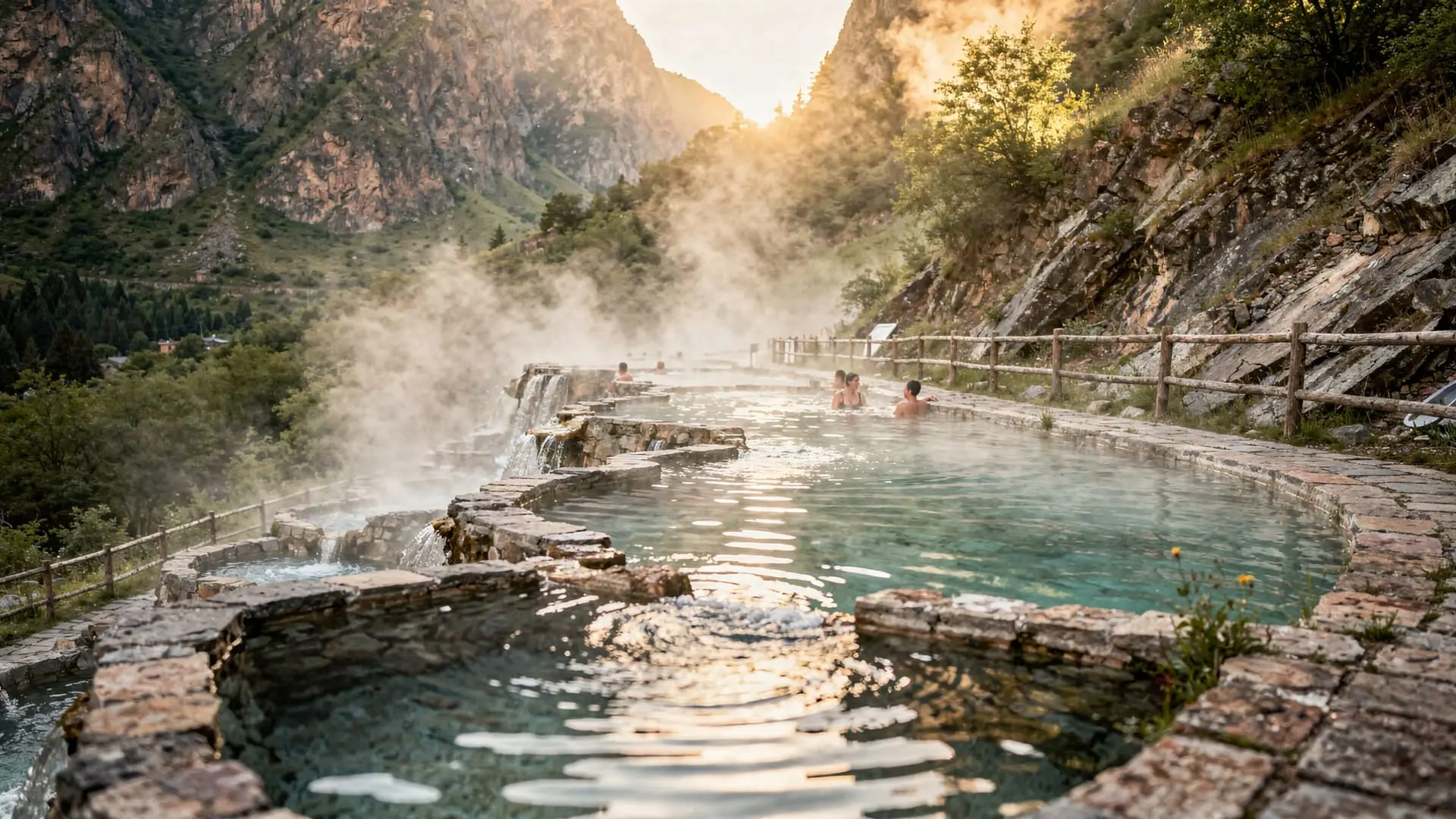
Armenia’s original wellness destination
Jermuk (pronounced YEHR-mook, meaning “waterfall” in Armenian) is a spa town of about 7,000 residents, sitting at 2,080 metres in the Vayots Dzor highlands above the Arpa River. It exists because of what lies beneath it: a system of volcanic aquifers that push mineral-rich water to the surface at temperatures between 30 and 65°C, producing some of the most chemically distinctive natural mineral waters in the South Caucasus.
The Soviets recognized this early. From the 1940s onward, Jermuk was developed as a health resort — sanatoriums, rest homes, a mineral water gallery, and a balneological institute were built in the town, drawing patients and workers from across the USSR. At its Soviet-era peak, Jermuk hosted 40,000 visitors per year in an elaborate network of sanatoriums offering everything from rheumatism treatment to cardiovascular rehabilitation.
Post-Soviet, the story is more complicated. Many sanatoriums fell into disrepair in the 1990s. The town’s population shrank. Renovation was slow, uneven, and is still ongoing. In 2026, Jermuk is a town in qualified recovery — some facilities are genuinely good, others are Soviet relics that have barely changed since 1980, and the overall aesthetic ranges from charming to faded. But the waters themselves have not changed, and the experience of soaking in mineral springs at 2,080 m altitude, with the Arpa gorge visible from the bathhouse window, remains something you cannot find anywhere else in the region.
| Where | Jermuk town, Vayots Dzor, 175 km from Yerevan |
| Cost | Around 15,000–25,000 AMD per spa day; 3,000–5,000 AMD for a guesthouse thermal soak |
| Time needed | 2 nights minimum for a proper stay; 5–7 days for a supervised cure |
| Getting there | Car or private transfer, around 2.5–3 hours; no direct marshrutka |
| Best time | May–October for full facilities; year-round for the spa itself |
The thermal waters: what they actually are
Jermuk’s springs emerge from a volcanic-hydrothermal system that heated deeply circulating groundwater as it passed through volcanic rock at depth. The water picks up dissolved minerals — primarily bicarbonate, calcium, sodium, magnesium, and CO2 — on its journey, giving it a distinctive taste and therapeutic properties.
There are several distinct springs in and around Jermuk, each with slightly different chemical composition:
- Drinking springs (cooled, carbonated, lower mineral concentration): The famous Jermuk brand mineral water and the springs in the mineral water gallery come from these sources. Temperature at the gallery taps: 20–42°C.
- Bathing springs (hotter, more mineral-rich): Used in sanatorium hydrotherapy baths. Temperature: 42–65°C at source, cooled to bathing temperature (36–40°C) for therapeutic use.
Claimed therapeutic uses: The balneological literature — Soviet and more recent Armenian — claims effectiveness for:
- Digestive tract conditions (peptic ulcers, gastritis, liver and bile conditions)
- Musculoskeletal disorders (osteoarthritis, rheumatic conditions)
- Cardiovascular rehabilitation (at lower water temperatures)
- Metabolic conditions (Type 2 diabetes, obesity — via the drinking cure programme)
The European scientific evidence base for many of these claims is mixed. What is not in doubt: soaking in mineral water at 38–40°C at 2,080 m altitude is genuinely relaxing, and the cold mountain air, forest walks, and healthy diet that accompany a Jermuk spa stay are good for almost everyone.
Where to experience the thermal baths
The Jermuk sanatoriums
Several Soviet-era sanatoriums have been renovated in the past decade and now offer spa treatments to visiting tourists (not just registered patients). The quality varies significantly:
Armenia Hotel and Spa: The most polished currently operating facility, with renovated spa pools, treatment rooms, and accommodation. Prices are mid-range by Armenian standards (~15,000–25,000 AMD per spa day, ~60,000–90,000 AMD per night with full board).
Jermuk Hotel: The original Soviet flagship, partially renovated. Some rooms are pleasant, others are unrenovated. The spa facilities are functional. Prices are lower than the Armenia Hotel.
Smaller pension spas: Several small guesthouses have added thermal pools or mineral water baths. These are informal but often charming — ask locally or search recent reviews for current recommendations.
Medical spa programmes: The registered balneological clinic still operates in Jermuk and offers medically supervised mineral water treatments (drinking cure, baths, electrotherapy, etc.) for visitors who want a structured therapeutic programme. Requires a medical intake consultation and a minimum stay of 5–7 days to be meaningful.
Book a guided day trip combining Jermuk mineral waters, the waterfall, and Tatev ropewayThe mineral water gallery
The mineral water drinking gallery is the most accessible and distinctive single experience in Jermuk. It is a covered colonnade of fountains, each drawing from a different spring with slightly different temperatures and mineral compositions. Visitors walk along the gallery with small ceramic cups (sold at the gallery entrance, or bring your own) and taste from each fountain.
Location: Central Jermuk, walking distance from most hotels. Hours: Open daily, typically 8:00–20:00 (verify seasonal hours). Cost: Entry is free or minimal fee; cups available for purchase. Experience: The waters range from slightly fizzy and mildly sulphurous to strongly carbonated and distinctly bitter. None of them taste like tap water — the mineral content is high and distinctly present. Most visitors find the experience fascinating rather than immediately pleasurable, which is appropriate — these are medicinal waters, not soft drinks.
The drinking cure: Traditional balneology recommends drinking specific amounts of specific springs at specific times relative to meals. In practice, most tourists drink a cup or two from several fountains, experience the variety of tastes, and move on. The therapeutic protocols are meaningful only in the context of a longer supervised stay.
The Jermuk brand: bottled water vs the source
Jermuk mineral water is one of the most recognised brands in the post-Soviet market, sold in flat and sparkling varieties across Armenia and exported to Russia, the diaspora market, and some European retailers. You will see it in every Yerevan supermarket for ~200–300 AMD per 1.5-litre bottle.
The bottled version is a commercially modified draw from the same aquifer — carbonated, cooled, and packaged for shelf stability. It is considerably weaker in mineral content than the gallery springs and has been adjusted for palatability. It is still real Jermuk mineral water and genuinely different from ordinary bottled water.
The springs in the gallery, and especially the bathing springs in the sanatoriums, are the original product. Drinking bottled Jermuk in Yerevan is a pale experience compared to drinking from the gallery in the town, which is a pale experience compared to soaking in a hydrotherapy pool fed by the springs.
What else to do in Jermuk
Jermuk Waterfall: A 70-metre waterfall on the Arpa River, 15 minutes’ walk from the town centre. Accessible year-round. In summer, a roaring white plume dropping into a narrow gorge. In winter, partially frozen in striking ice formations. One of the most photogenic sites in Vayots Dzor. Free access.
Walking trails: Several marked trails through the pine forest around Jermuk. The forest is a distinctive feature of the town — Soviet-era planners planted the conifer-dominated landscape deliberately as part of the therapeutic environment.
Tatev and Jermuk combination: Jermuk is 100 km from Tatev monastery, making it a natural overnight base for visitors combining spa time with the cable car and monastery. See Tatev complete guide.
Noravank via Jermuk: The red-cliff monastery of Noravank is 60 km from Jermuk, accessible via the Arpa valley road.
Practical information
Getting there: Jermuk is 175 km from Yerevan, approximately 2.5–3 hours by car via Vayk. No direct regular marshrutka from Yerevan — hire a car, arrange a private transfer, or book a tour. The drive through the Vayots Dzor highlands is itself scenic.
Best time to visit: May–October for full facilities and good weather. November–March for a quieter, atmospheric stay — most spa facilities operate year-round. The waterfall is accessible year-round.
Minimum stay: A day trip is possible but meaningless for therapeutic purposes. Two nights is the practical minimum for experiencing the spa culture properly. A proper cure programme requires 5–7 days.
Accommodation: Armenia Hotel is the best-managed currently. Mid-range guesthouses offer genuine warmth and Armenian home cooking for 15,000–25,000 AMD per night.
Frequently asked questions about Jermuk’s thermal waters
Are the thermal waters safe to drink?
The drinking springs in the gallery are tested regularly and considered safe by Armenian health standards. The stronger bathing springs are not for drinking — they are too high in dissolved minerals for regular consumption.
Do I need a medical consultation to use the spa facilities?
Not for hotel spa pools and basic treatments. For the formal medical balneological programme at the registered clinic, a medical intake is required.
Can I visit the spa as a day visitor without staying overnight?
Yes. The Armenia Hotel and some other facilities sell day spa access. Call ahead to reserve a time slot as capacity can be limited.
Is Jermuk suitable for families with children?
Yes. The mineral gallery is interesting for older children. The waterfall walk is suitable for all ages. Some hotels have family-friendly spa pools. The mountain air and forest setting are excellent for children.
Why is Jermuk famous in Armenia?
Beyond the spa heritage, Jermuk is famous for its bottled mineral water — a post-Soviet nostalgia item for Armenians everywhere. The brand is associated with health, nature, and the Soviet-era idea of a proper highland holiday.
How does Jermuk compare to Armenia’s other thermal spring towns?
Jermuk is Armenia’s best-known and best-developed thermal destination, but it is not the only one. Smaller, less commercialised hot springs exist elsewhere in the country, typically without the sanatorium infrastructure or the drinking gallery. For a broader comparison of what “thermal springs in Armenia” actually covers, see the Armenia thermal springs guide. If you are choosing between a wellness base and a winter-sports base, the Tsaghkadzor vs Jermuk comparison lays out the trade-offs directly.
Is a Jermuk spa day worth it if I am only passing through on a day trip?
Marginally. A single spa session (60–90 minutes) is possible as a day-trip add-on, but the therapeutic and relaxation value of Jermuk comes from the slower rhythm of an overnight stay — gallery in the morning, spa mid-day, waterfall walk in the afternoon. If your itinerary only allows a few hours, prioritise the free mineral water gallery and the waterfall over a rushed paid spa session.
Planning a multi-night Jermuk stay
For visitors staying 2–3 nights, a structured programme makes the most of what Jermuk offers. Also see our Tsaghkadzor vs Jermuk comparison and the Armenia thermal springs guide for context:
Day 1 (arrival afternoon): Drive from Yerevan via Khor Virap (~35 km) and Noravank (~110 km) — a good southern Armenia intro before arriving in Jermuk in the late afternoon. Check in. Walk to the mineral gallery for an early evening visit. Dinner at the hotel.
Day 2 (full Jermuk day): Morning gallery visit (8:00–9:30, before crowds). Book a morning spa session (10:00–12:00) — mineral bath and massage at one of the sanatorium facilities. Lunch. Afternoon walk to the waterfall and forest circuit (2–3 hours). Evening at leisure — the quieter Jermuk evenings reward reading, walking the main boulevard, or an early sleep.
Day 3 (Tatev excursion): Drive to Tatev (100 km, 1.5 hours) for the Wings of Tatev cable car and the monastery complex. Return to Jermuk for a late afternoon soak. Departure the following morning via Areni for wine tasting on the way back to Yerevan.
This 3-night structure gives Jermuk the time it deserves while incorporating two of the best sites in southern Armenia.
The sanatorium system: how it works
Jermuk’s sanatorium model is Soviet in origin but partially modernised. The key distinctions for visitors:
Hotel-style sanatoriums: The Armenia Hotel is the best example — operates as a standard hotel with spa facilities added. You book a room, you use the spa, you pay per session or per treatment. No medical involvement required.
Classic sanatoriums (partially open to tourists): These follow the Soviet model more closely — intake forms, basic medical consultation, a programme of treatments prescribed over your stay. Better for visitors with specific health goals. Requires more lead time to arrange.
Guesthouses with thermal pools: Several smaller guesthouses have added basic thermal pools using Jermuk spring water. Informal, inexpensive (~3,000–5,000 AMD per soak), and often the most genuine experience of how local Armenians use the waters.
Jermuk and the Vayots Dzor wine route
Jermuk sits at the northern end of Vayots Dzor province, which is Armenia’s wine heartland centred on Areni village. The combination of Jermuk’s spa culture and Vayots Dzor’s wine culture in a single trip is one of the most distinctively Armenian experiences available:
Areni village: 100 km from Jermuk on the Arpa valley road. The home of Areni Noir (the native grape variety), multiple small family wineries offering tastings, and the famous Areni-1 archaeological cave. See Armenia wine country overview.
Noravank: 15 km from Areni, a 14th-century monastery in a dramatic red canyon. Absolutely on the route between Yerevan and Jermuk if you come via the Arpa valley road.
The Jermuk-Areni-Noravank corridor is in some ways the soul of Vayots Dzor — old stone, volcanic landscape, ancient wine, thermal water, and some of the most arresting visual scenery in the country.
Who should skip Jermuk
Jermuk is not for everyone. Visitors with only 5–7 days in Armenia and a checklist of Yerevan, Garni, Geghard, and one southern day trip will find the detour hard to justify — the 5–6 hour round trip from Yerevan eats a full day for an experience that rewards a slower pace. Travellers who dislike faded Soviet architecture, or who are looking for a resort-standard spa on the level of European wellness destinations, will also find parts of Jermuk underwhelming; some sanatoriums are genuinely tired despite renovation efforts. If either applies to you, a shorter stop at the Jermuk waterfall and mineral gallery alone, without an overnight, captures much of the appeal at a fraction of the time cost.