Armenia: the world's oldest wine country
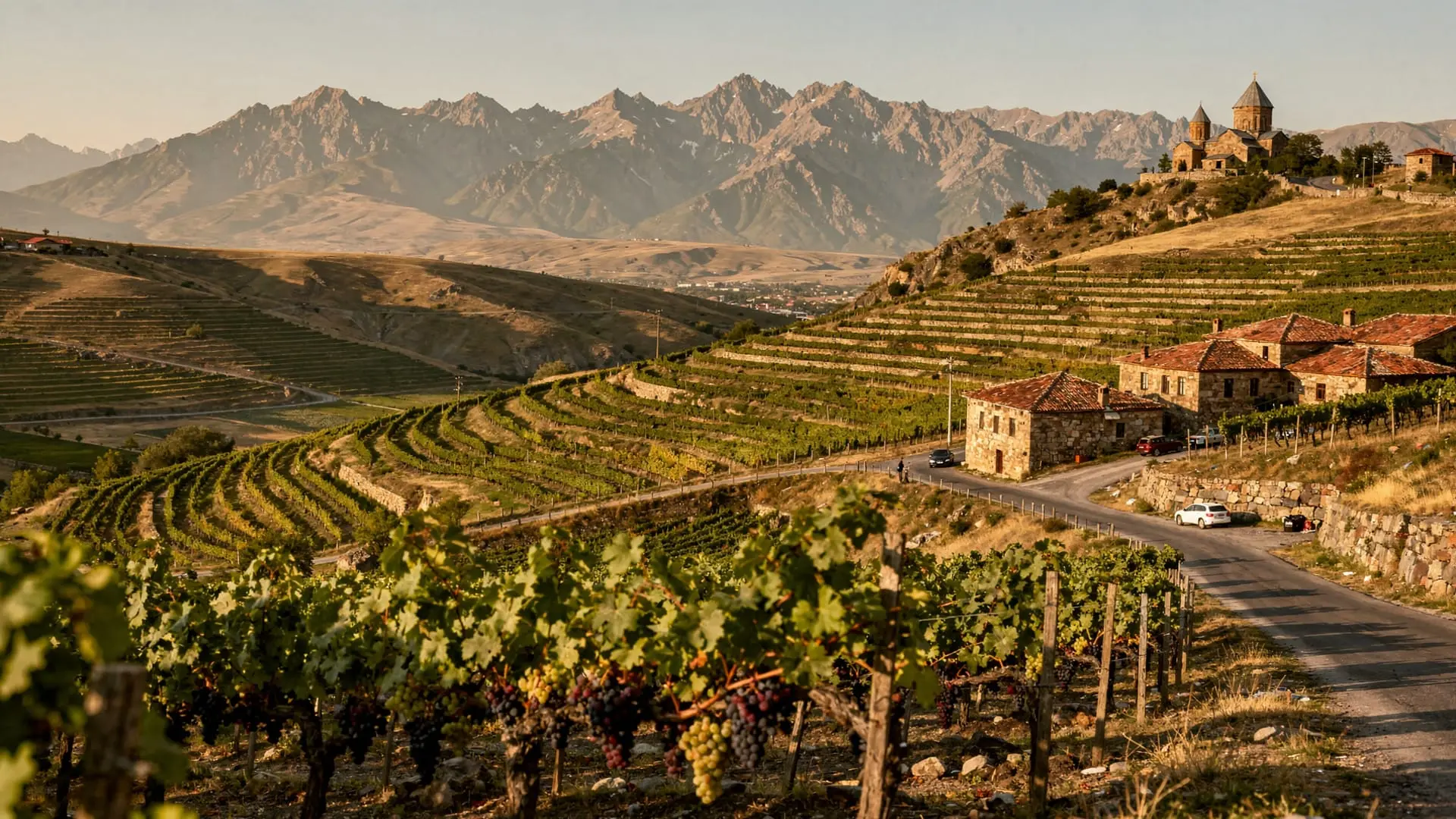
Why Armenia holds a special place in wine history
Long before Bordeaux planted its first vine, before the Roman legions carried amphorae across their empire, and millennia before the phrase “terroir” entered the vocabulary of wine lovers, people in the hills of what is now southern Armenia were making wine. The discovery of the Areni-1 cave complex in Vayots Dzor province turned a folk tradition into verified archaeological fact: Armenia is the oldest documented wine-producing culture on earth, with a continuous thread running from 4100 BCE to the present day.
That unbroken lineage matters. Modern Armenian winemakers are not recreating a romantic ideal — they are reviving and refining something that never entirely disappeared. During Soviet rule the focus shifted to industrial production and bulk grape concentrate, but since independence in 1991 a quiet revolution has transformed the wine scene. Small-batch natural producers, high-altitude vineyard experiments, and a renewed focus on indigenous varieties like Areni Noir, Voskeat, Karmrahyut, and Kakhet have placed Armenian wine firmly on the international map.
This guide introduces the regions, the grapes, the history, and the practical details you need to plan a wine-focused trip.
| Where | Vayots Dzor (Areni village, around 2hrs south of Yerevan) |
| Cost | Tastings around 3,000–8,000 AMD ($8–20); day tours from Yerevan around $100–120 |
| Time needed | A day trip covers the essentials; 2–3 days for a full circuit |
| Getting there | Rental car, marshrutka with a change at Yeghegnadzor, or a guided wine-route tour |
| Best time | September–October for harvest and the wine festival; May–June as a quieter alternative |
The Areni-1 cave: archaeology as origin story
The site that changed everything sits just outside the village of Areni in the Vayots Dzor province, about 120 km south of Yerevan (roughly two hours by car). In 2007 archaeologists from Armenia, Ireland, and the United States began excavating a limestone cave complex and uncovered a complete Chalcolithic winery: a shallow basin carved into the rock for pressing grapes, clay fermentation vats sunk into the floor, a rudimentary drainage channel, and storage jars still containing grape seeds, dried vines, and residue of Vitis vinifera. Radiocarbon dating placed the installation at approximately 4100 BCE — around 6,100 years ago.
The cave did not only contain wine equipment. Among the extraordinary finds was a well-preserved leather shoe — the oldest known shoe in the world at about 5,500 years old — alongside human skulls and other ritual objects, suggesting the cave served ceremonial as well as practical purposes. Wine, it seems, was already entwined with Armenian spiritual life at the very dawn of recorded winemaking.
The cave is open to visitors and is a short drive from Areni village. Entrance costs approximately 1,000 AMD (about 2.40 EUR). For more detail, see our dedicated guide on visiting Areni-1.
The main wine regions
Vayots Dzor: the heartland
Vayots Dzor (“Gorge of Woes” in Armenian) is the country’s most celebrated wine province and home to both the Areni-1 cave and the majority of the boutique estates that have earned Armenia international recognition. The province sits at elevations of 1,000 to 1,800 metres above sea level, with the Arpa River carving dramatic gorges through volcanic basalt. Summers are warm and dry, winters cold, and the diurnal temperature swings — 15 to 20 degrees Celsius between day and night — are ideal for preserving acidity and aromatic complexity in the grapes.
The town of Areni is the focal point. A cluster of small wineries lies within a few kilometres: Hin Areni, Trinity Canyon Vineyards, and Tariri are all walkable or a short drive from the village centre. Nearby Yeghegnadzor is the provincial capital and a convenient base. For a full tasting itinerary, see our Vayots Dzor wine route guide.
Aragatsotn: plateau wines from the north
North-west of Yerevan, in the shadow of Mount Aragats, Aragatsotn province hosts a different style of winemaking. The volcanic soils and higher average elevation (wineries here can sit above 1,400 metres) produce wines with a distinct mineral structure. Voskevaz is the best-known estate in the region, producing a full range of varietal and blended wines in a beautifully restored facility about 35 km from Yerevan. The Voskeni winery also operates here, with vineyard lunch experiences popular with day-trippers from the capital. See our Voskevaz winery guide and our overview of ArmAs and Karas for the region’s larger producers.
Ararat Valley: high-volume and historic
The broad, sun-drenched Ararat Valley — within sight of the mountain itself — produces the largest volumes of Armenian wine and brandy. The Yerevan Brandy Company (home of Ararat brandy) sources extensively from here, and large operations like Karas maintain substantial vineyard holdings in the valley floor. The volcanic basalt soils bake in summer heat, producing riper, fuller-bodied wines. For brandy lovers, the valley is the essential destination: see our guide to the Yerevan Brandy Company.
Indigenous grape varieties: Armenia’s genetic treasure
Armenia’s claim to wine fame rests not only on archaeology but on a unique portfolio of indigenous varieties that exist nowhere else on earth in their pure form.
Areni Noir is the undisputed star. A thin-skinned red grape with naturally high acidity and moderate tannins, it produces wines that range from light and aromatic (reminiscent of Pinot Noir in cooler years) to concentrated and structured when yields are low and elevations high. Characteristic notes include pomegranate, dried cranberry, dried rose, and a hint of volcanic mineral. It thrives in Vayots Dzor and is the foundation of Armenia’s most acclaimed red wines, including Zorah’s Karasi and Yacoubian-Hobbs’s Faraway, both of which have attracted international critical attention.
Voskeat is Armenia’s finest white variety. The name translates literally as “golden grape,” and the wine lives up to it: full-bodied, with a waxy texture, notes of quince, beeswax, dried apricot, and a characteristic bitter almond finish. It is grown primarily in Vayots Dzor and Aragatsotn and is best experienced at Hin Areni and Voskevaz.
Karmrahyut (“red fruit” in Armenian) is a deeply coloured variety producing inky, tannin-rich wines with blackberry and dark plum character. It is often blended with Areni Noir to add structure and colour.
Khndoghni, also known as Sireni in some regions, is a medium-bodied red with delicate floral aromatics and cherry fruit. It is less widely planted than Areni Noir but valued for its aromatic finesse.
Kakhet is an ancient white variety producing broad, full-bodied wines with oxidative notes, particularly when vinified in traditional clay amphorae. Several natural-wine producers have recently revived Kakhet to make skin-contact (“orange”) wines with considerable critical success.
Beyond these five, Armenia has a library of lesser-known varieties — Sireni, Garandmak, Tozot, Haghtanak — many of which are being preserved and researched by the Yerevan State Agrarian University and by ambitious winemakers such as Vahe Keushguerian of Zorah.
Notable wineries to visit
The following wineries accept visitors either by appointment or through structured tours. Admission typically includes a guided cellar tour plus a tasting of three to six wines, and costs between 3,000 and 8,000 AMD (7 to 20 EUR) per person, with higher-end estates charging more for premium flights.
Hin Areni is one of the oldest names in Armenian wine and the easiest visit in Areni village itself. See our Hin Areni guide for hours and booking details.
Trinity Canyon Vineyards occupies a dramatic hilltop position above the Areni gorge. Its Areni Noir and Voskeat both regularly earn high scores in international competitions. See the Trinity Canyon guide.
Zorah Wines, founded by Italian-Armenian Zorik Gharibian, is the estate that first put Armenian wine on the world stage. Grown at over 1,700 metres, the Karasi Areni Noir is regularly featured in international wine press. Read the Zorah and Yacoubian-Hobbs guide.
Yacoubian-Hobbs is a partnership between Armenian producer Alex Yacoubian and California’s Paul Hobbs, producing small quantities of meticulously crafted Areni Noir from high-altitude vineyards. Same guide as Zorah above.
Voskevaz in Aragatsotn is the most accessible full-scale winery from Yerevan, with a restaurant, cellar tours, and a range of varietals covering both red and white. Details in the Voskevaz guide.
Van Ardi in the Aragatsotn foothills produces elegant, European-influenced wines from both indigenous and international varieties. The Sasunik Van Ardi winery experience is bookable through this GetYourGuide tour .
Voskeni, Maran, Tariri, and Tushpa round out the picture of smaller estates worth seeking out, particularly during the Areni wine festival in October.
ArmAs and Karas are the country’s two largest private producers, positioned for volume and export — useful reference points for understanding the full spectrum of Armenian wine. See the dedicated ArmAs and Karas guide.
When to visit: seasonal considerations
September and October are the prime months for wine tourism. The harvest typically runs from late August (for earlier white varieties) through October, and many wineries welcome visitors during the crush. The Areni Wine Festival — Armenia’s largest wine celebration — takes place on the first Saturday of October each year in Areni village, drawing winemakers, food producers, and visitors from across the country and the diaspora. See our Armenian wine festivals guide for dates and practical information.
May and June are a pleasant second choice: the weather is warm but not extreme, the vines are flowering, and cellar tours are generally available without the festival-season crowds.
July and August can be very hot in the Ararat Valley (35 degrees Celsius and above), but Vayots Dzor’s higher elevation keeps temperatures manageable. Expect peak tourist traffic at popular sites.
November through March is off-season for most wineries; some close entirely or operate by appointment only. If you visit in winter, always call ahead.
| Season | Conditions | What to expect |
|---|---|---|
| Sep–Oct | Harvest, warm days, cool nights | Best months; wine festival first Saturday of October; book ahead |
| May–Jun | Warm, flowering vines | Good tastings without crowds; quieter cellar visits |
| Jul–Aug | Hot in the valley, cooler in Vayots Dzor’s altitude | Peak general tourist traffic; visit early morning if possible |
| Nov–Mar | Cold, many wineries reduce hours | Off-season; call ahead, some estates close entirely |
Getting there: logistics from Yerevan
Areni village is approximately 120 km south of Yerevan on the M2 highway toward Goris. By private car or taxi the journey takes about two hours; by marshrutka from Yerevan’s Kilikia bus station, a change in Yeghegnadzor may be necessary and the total journey can take three hours or more. A dedicated wine-route day tour is generally the most efficient option for first-time visitors, as it combines transport, guides, and multiple winery stops.
The Vayots Dzor wine route day tour from GetYourGuide runs approximately 12 hours and covers multiple wineries plus Noravank monastery. The tour departs from Yerevan and costs around USD 110 per person. A two-day version with an overnight stay in Areni is also available via this option , allowing for a more relaxed pace.
For context on Armenia’s wine scene alongside its brandy tradition, the Armenian brandy guide covers the Ararat distillery, aged expressions, and the Churchill connection.
Pairing Armenian wine with food
Armenian wine is designed to accompany food — it has been for over six thousand years. The acidity of Areni Noir cuts through the richness of khorovats (Armenian barbecue) and the fattiness of lamb stew. Voskeat’s textural weight holds its own against the herbs and walnuts in tolma (stuffed vine leaves) and the creamy tang of matzoon (Armenian yogurt dishes). Karmrahyut’s tannins stand up to the deep, slow-cooked bean-and-dried-fruit stews that characterise highland Armenian cooking.
At Areni’s village restaurants, wine is served at the table as matter-of-factly as bread. Ordering a carafe of the house Areni Noir alongside a plate of locally caught river trout and fresh lavash is one of the great simple pleasures of Armenian travel.
The wine tourism infrastructure
Armenia’s wine tourism infrastructure has grown rapidly since 2015. Most wineries in Vayots Dzor now have tasting rooms; several have added restaurants or farm-to-table dining experiences. Accommodation options in Areni village and Yeghegnadzor range from simple guesthouses charging 8,000 to 15,000 AMD (20 to 37 EUR) per night to boutique properties at 25,000 to 40,000 AMD (60 to 100 EUR). Booking ahead is essential during festival season.
The Vayots Dzor destination page at /destinations/vayots-dzor/ covers accommodation, transport, and what else to see in the province beyond wine.
Frequently asked questions about Armenian wine
Is Armenian wine exported internationally?
Yes. Since around 2010, several Armenian producers — especially Zorah, Yacoubian-Hobbs, and Karas — have placed their wines in specialist retailers and restaurants in the United States, France, Germany, and the United Kingdom. Availability is still limited compared to Georgian wine, but growing rapidly year on year.
What is the difference between Armenian wine and Georgian wine?
Both countries sit in the South Caucasus and share ancient winemaking roots, but the styles differ significantly. Georgian wine is best known for its Rkatsiteli-based amber wines and the Saperavi grape; the qvevri (clay amphora) tradition is central to Georgian identity. Armenian wine is built around Areni Noir and Voskeat, with a more Mediterranean aromatic profile. The landscapes also differ: Armenia’s high-altitude volcanic terroir produces wines with pronounced mineral acidity; Georgia’s Kakheti valley is warmer and lower.
Can I visit wineries without a car?
It is possible but inconvenient. Areni village is on the main southern highway and accessible by marshrutka, but moving between individual wineries requires either a rental car, a hired taxi, or a pre-arranged tour. For a first visit, a guided day tour is strongly recommended.
How much does a wine tasting cost?
Standard tastings at most Vayots Dzor wineries cost between 3,000 and 8,000 AMD (7 to 20 EUR) and typically include three to six wines plus information from a host. Premium tastings at Zorah or Yacoubian-Hobbs, which are appointment-only, may cost significantly more. Wine can be purchased to take home at the winery shop.
Is Armenian wine available in Yerevan?
Absolutely. The In Vino wine bar in Yerevan is widely regarded as the best place to discover Armenian wine by the glass, with a comprehensive cellar covering most major producers. Wine tastings at In Vino are available as a standalone experience and are an excellent starting point before heading out to the vineyards. The GUM market and specialist shops in the city centre also stock a wide range of bottles to take home.
What is the best Armenian wine to buy as a gift?
Zorah Karasi Areni Noir is the prestige option and available in most specialist shops in Yerevan. For a more budget-friendly gift with real quality, look for Hin Areni’s varietal Areni Noir or Trinity Canyon’s reserve Voskeat. Prices range from 4,000 AMD (10 EUR) for entry-level bottles to 20,000 AMD (49 EUR) and above for reserve releases.
Should I pre-book winery visits?
For Zorah and Yacoubian-Hobbs, yes — both are appointment-only and do not receive walk-in visitors. For most other wineries in Vayots Dzor, walk-ins are welcome during published opening hours, though booking ahead during the festival season (late September to early October) is strongly advisable.
Combining wine with the rest of Vayots Dzor
Wine is rarely the only reason to visit this part of Armenia. The Khor Virap to Noravank day trip is the standard way to combine the region’s monasteries with a winery stop, and most Vayots Dzor wine-route tours already build in a stop at Noravank monastery, whose red limestone cliffs sit a short drive from Areni. For travellers deciding between Armenia’s two most photographed monasteries, the Tatev vs Noravank comparison guide is a useful companion piece — Noravank pairs naturally with a wine day, while Tatev is more of its own excursion. If the grape itself is the draw rather than the region, our dedicated Areni Noir grape guide goes deeper into why this variety in particular has drawn international attention.
Armenia’s wine country in regional context
Armenian wine sits within a broader South Caucasus wine culture that includes Georgia (often called the “cradle of wine” for its qvevri amber wine tradition) and Azerbaijan. Understanding how Armenia relates to its neighbours clarifies what makes Armenian wine specifically distinctive.
Georgia has been more internationally visible for longer — Rkatsiteli and Saperavi have been marketed internationally since the 1990s, and the qvevri tradition has become a recognised brand identity in the natural wine world. Armenia is a decade or so behind in international recognition, but the trajectory is clear. Areni Noir has the quality and the distinctiveness of character to follow a similar path to international prominence.
The comparison with Georgia is also useful for understanding what Armenian wine is not. Georgian amber wines (made by extended skin maceration in qvevri) are a defining product of their country; they are tannic, oxidative, and challenging to drinkers expecting conventional white wine. Armenian wine is generally more conventional in style — reds are red, whites are white, and the approach is more in line with French or Italian winemaking methodology than with the radical Georgian tradition. This makes Armenian wine more immediately accessible to international buyers, even if it sacrifices some of the radical differentiation that has driven Georgian wine’s trendiness.
The natural wine movement in Armenia
Armenia’s small-producer scene has become an unexpected magnet for the international natural wine world over the past decade. The logic is straightforward: Armenia’s indigenous varieties were never bred for industrial yields or neutral international flavour profiles, and many of the country’s smallest producers work with minimal intervention — wild yeast fermentation, little or no added sulphur, and traditional clay karas vessels similar in principle to Georgian qvevri but distinct in shape and use. Kakhet, revived specifically by natural-wine-minded producers for skin-contact “orange” wine, has become something of a calling card for this movement, alongside experimental cuvées from Trinity Canyon and smaller Areni-based producers who sell mostly direct or through specialist importers rather than mainstream retail.
This matters for visitors because it means a Vayots Dzor wine trip increasingly resembles the more adventurous corners of Slovenia’s Brda or Georgia’s Kakheti region rather than a conventional wine-country tour: expect to taste things that challenge conventional wine expectations, ask questions, and occasionally be poured something the winemaker made in a quantity of a few hundred bottles. It is a genuinely exciting time to be drinking Armenian wine, and visiting in person remains the only reliable way to taste much of what the smallest producers make, since so little of it reaches export markets yet.
Etiquette and practical tasting tips
Armenian winery visits tend to be less formal than their French or Italian counterparts but no less serious. A few practical notes: most tastings are led by the winemaker or a family member rather than a dedicated hospitality staff, so expect genuine conversation rather than a scripted tour — ask questions, they are welcomed. Spitting is accepted but less commonly practised than in larger wine regions; pace yourself if visiting multiple estates in a day, especially given mountain-road driving between them. Tipping is not expected but appreciated for exceptional hospitality. Cash (AMD) is the safest way to pay at smaller estates, as card machines are not universal outside the larger producers like Karas and Voskevaz.
Planning your Armenian wine trip: a summary
The key decisions when planning a wine-focused Armenia trip:
How much time do you have? A single day from Yerevan can cover Areni-1 cave and two wineries. Three days allows a comprehensive Vayots Dzor circuit plus Noravank. Five days adds Aragatsotn (Voskevaz) and the Yerevan Brandy Company for a full fermented-culture immersion.
What is your primary interest? Archaeology and history: centre the trip on Areni-1 cave and Hin Areni. Prestige wine: prioritise Zorah and Yacoubian-Hobbs (arrange appointments months ahead). Broad education: take a guided day tour covering multiple estates. Festival and atmosphere: time your visit for the first Saturday of October.
Independent or guided? Independent travel in a rental car gives maximum flexibility between wineries but requires advance planning for appointment-only estates. A guided wine route tour handles all logistics and is ideal for a first visit.
Whatever the approach, Armenia’s wine country rewards the investment. In a world where most wine regions have been thoroughly documented, reviewed, and absorbed into the global market, Vayots Dzor remains genuinely new to most international visitors — a landscape of extraordinary beauty, an indigenous grape variety of genuine world-class quality, and a history of winemaking that stretches back before recorded civilisation.